
Various accounts and transactions are to be recorded in their respective ledgers. On the other hand, an invoice payment represents an amount the customer owes, and they must eventually pay it. A credit memo just lowers or eliminates the amount they owe; it doesn’t replace it with anything else. A credit memo is also commonly called a credit memorandum, credit note, memorandum of credit, or refund voucher.
- Posting in accounting refers to the process of transferring entries from the journal to the appropriate accounts in the general ledger, enabling the organization and tracking of financial transactions.
- Modern computerized accounting systems perform the posting process automatically as soon as an entry is made in the journal.
- We take the total of cash receipts from the cash receipts journal (column “bank”) and insert this on the debit side of the “bank” T-account.
- In accounting terms, this creates a relationship between an asset and a liability.
- General journal entries document transactions and are crucial for the ledger posting.
- Postings can be made (1) at the time the transaction is journalized; (2) at the end of the day, week, or month; or (3) as each journal page is filled.
Posting Compound Entry
This process ensures that every financial transaction is appropriately documented and reflected in the organization’s financial records. The double-entry system’s inherent checks and balances make it an indispensable tool for accountants. By requiring that debits and credits always match, it helps in maintaining the accuracy of financial records. This system also simplifies the process of reconciling accounts, as any discrepancies can be quickly identified and corrected. Moreover, the double-entry system supports the generation of detailed financial reports, which are essential for decision-making and strategic planning.
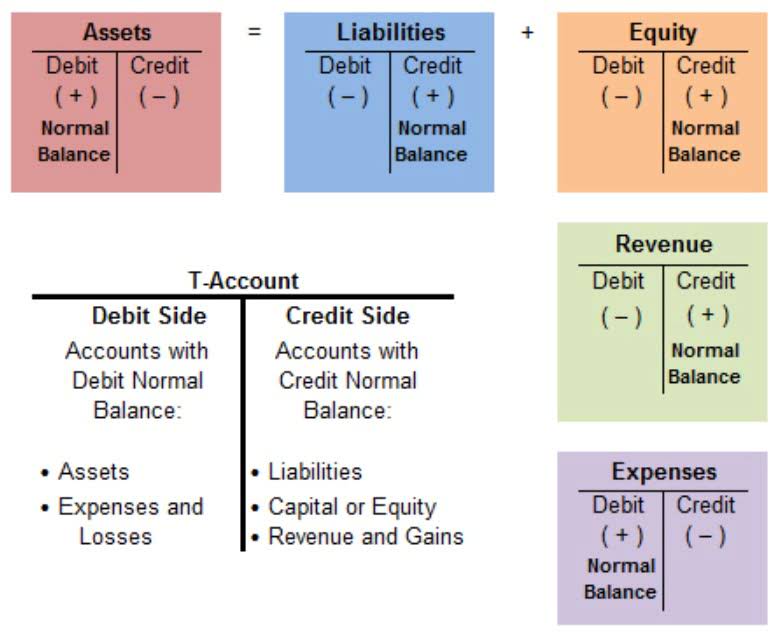
Double Entry Bookkeeping
As memo debits transition from pending to posted status, it’s imperative to confirm that the amounts align and that no discrepancies exist between the account holder’s records and the bank’s statements. This verification helps in detecting any anomalies or errors, such as duplicate charges or incorrect amounts, which could affect financial stability https://www.bookstime.com/ and reporting accuracy. This process plays a crucial role in maintaining the accuracy of ledger accounts, as it ensures that all transactions are systematically recorded and categorized. By systematically transferring journal entries to the ledger, it becomes easier to analyze and track the movement of funds within the organization.
What is Posting in Accounting: The Role in Financial Record-Keeping
Internal controls play a crucial role in ensuring that postings are accurate and reliable, thereby minimizing the risk of misstated financial information. Without effective posting and review procedures, financial data could be misrepresented, leading to detrimental effects on decision-making and organizational transparency. Let’s say a company has $3,000 worth of rent expenses per month that needs to be posted for the annual general ledger.
Posting Journal Entries Mini Quiz:
However, it may take several business days for a reversal to be reflected in the account balance. During this period, the funds remain unavailable, which can be frustrating for account holders who expect immediate access to their money after a transaction is voided. Understanding the typical processing times for different financial institutions and merchants can help set realistic expectations for when funds from canceled transactions will be released.
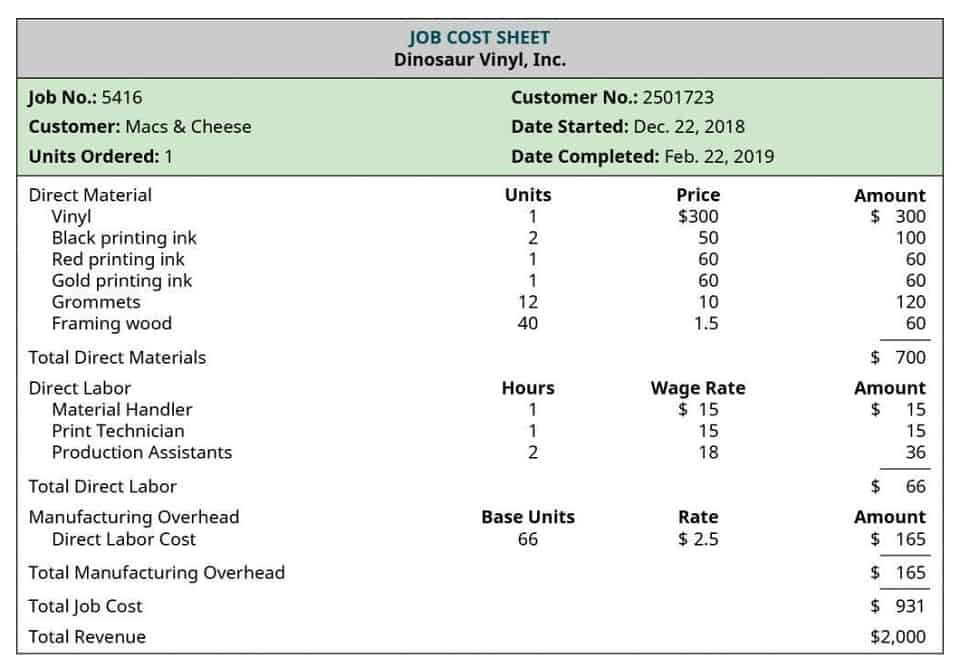
Identification Information – What Are the Components of a Credit Memo?

For example, when rent is paid, in the journal entry Rent Expense is increased and Cash is decreased. The individual accounts each (like Rent Expense and Cash) have posting in accounting a Ledger where transactions are entered. Posting in accounting is when the balances in subledgers and the general journal are shifted into the general ledger.
A Credit Memo Does Not Reduce the Amount Owed – The Misconceptions of Credit Memos
For instance, recording $1,234 as $1,243 can lead to discrepancies that are hard to trace. To correct transposition errors, accountants should cross-verify entries with source documents and use accounting software that flags unusual discrepancies. This practice not only helps in identifying errors but also in maintaining the overall integrity of financial data.

- A memo-posted debit is a provisional transaction that reflects a deduction from an account before the actual funds are processed and withdrawn.
- The ledger for an account is typically used in practice instead of a T-account but T-accounts are often used for demonstration because they are quicker and sometimes easier to understand.
- For example, Accounts Receivable may be made up of subsidiary accounts such as Accounts Receivable – Customer A, Accounts Receivable – Customer B, Accounts Receivable – Customer C, etc.
- It is important to remember that a credit memo does not reduce the amount owed; it should help document returns and cancellations only and not serve as a substitute for the full payment of an invoice.
Posting means to transfer the information calculated in the journals to the various T-accounts in the ledger. Be sure to check your understanding of this lesson and how to post journals to the T-accounts by taking the quiz in the Test Yourself! And right at the bottom of the page, you can find more questions on the topic submitted by fellow students. Posting has been eliminated in some accounting systems, where subledgers are not used. Instead, all information is directly stored in the accounts listed in the general ledger.